

Introduction
Choosing between aluminum and copper is one of the most common challenges in engineering, manufacturing, and sourcing. The right decision affects not only performance, but also cost, weight, and long-term reliability.
Quick Answer (For Fast Decision-Making)
- Choose copper for electrical conductivity and heat transfer
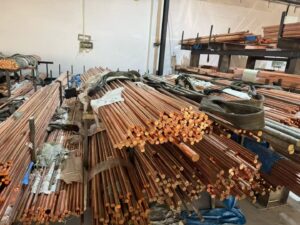
- Choose aluminum for lightweight structures and cost efficiency
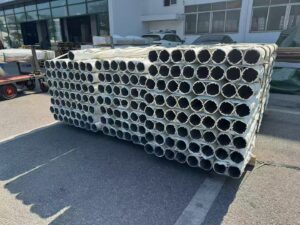
- For machining projects, aluminum is generally easier and more stable
Key Differences Explained
- Electrical Conductivity
Copper has significantly higher conductivity, making it ideal for:
- Electrical wiring
- Power systems
- Electronics
Aluminum is still used in power transmission due to its lighter weight.
- Weight and Strength
Aluminum is about one-third the weight of copper, making it suitable for:
- Aerospace components
- Automotive parts
- Structural applications
- Corrosion Resistance
Aluminum forms a natural oxide layer, offering strong corrosion resistance.
Copper can oxidize and form patina, which may affect appearance and performance. - Cost Comparison
Copper is generally more expensive and has higher price volatility.
Aluminum is more stable and cost-effective for bulk procurement.
Machining Considerations
Aluminum
- Easy to machine
- High cutting speed
- Good surface finish
Copper
- Softer but sticky
- Tool adhesion risk
- Requires experienced machining control
Typical Applications
Aluminum
- CNC machined parts
- Industrial structures
- Electronic housings
Copper / Brass
- Connectors
- Electrical components
- Heat exchangers
Final Conclusion
There is no universal “best” material. The correct choice depends on your application, performance requirements, and budget.
YCS Machining provides both aluminum and copper materials, along with custom machining services, helping global buyers simplify sourcing and improve efficiency.
FAQ
Q1: Is aluminum cheaper than copper?
Yes, aluminum is generally more cost-effective, especially for large-volume projects.
Q2: Which material is better for CNC machining?
Aluminum is easier to machine and more suitable for precision CNC parts.
Q3: Can aluminum replace copper?
In some cases, yes, especially in weight-sensitive applications like power transmission.

Comments & Discussion